
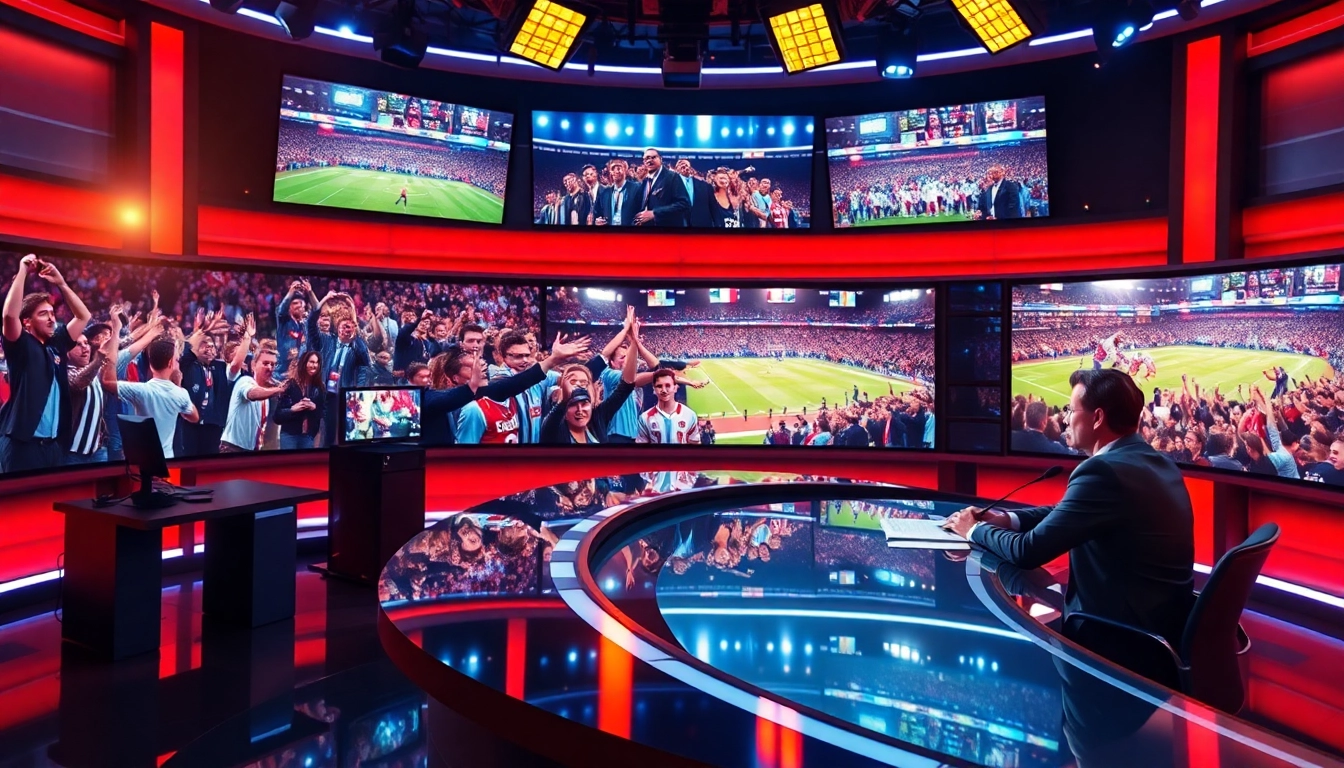
Introduction to Sports Broadcasting
Sports Broadcasting has become a vital aspect of both the sports industry and the entertainment world. It serves as the conduit that connects fans with their favorite teams and athletes, providing live coverage and insightful commentary that enhance the viewing experience. Understanding the mechanisms behind Sports Broadcasting is crucial for aspiring broadcasters, sports executives, and advertisers alike. This article delves into the definition, history, current trends, and future of sports broadcasting.
Definition and Importance of Sports Broadcasting
Sports broadcasting involves the distribution of live or recorded sports events via television, radio, or digital platforms. The significance of sports broadcasting extends beyond mere entertainment; it drives fan engagement, generates revenue for teams, and aids in the promotion and growth of sports culture. In many cases, it also provides crucial information like game statistics, player updates, and expert analyses that enrich the viewer’s understanding and appreciation of the event.
History of Sports Broadcasting
The roots of sports broadcasting trace back to the early 20th century when radio became the primary medium for delivering sports news and live game coverage. The first-ever radio broadcast of a sporting event occurred in 1921, when a boxing match was aired. As technology advanced, television took over as the primary medium for broadcasting live sports, significantly expanding viewership. Over the decades, the emergence of cable television and digital streaming services has revolutionized how audiences consume sports content.
Current Trends in Sports Broadcasting
Today’s sports broadcasting landscape is heavily influenced by technological advancements. Viewers now favor on-demand content, interactive features, and personalized viewing experiences. New trends include the rise of mobile viewing, the use of augmented reality (AR) and virtual reality (VR) for immersive experiences, and the integration of analytics and data visualization to enhance storytelling during broadcasts. These trends allow broadcasters to engage audiences like never before.
Fundamentals of Sports Broadcasting
Key Roles in Sports Broadcasting
Several key roles contribute to the comprehensive package that is sports broadcasting. Play-by-play announcers provide real-time commentary, while color commentators offer expert insights and analysis. Producers coordinate the flow of the broadcast, while technicians ensure optimal audio-visual quality. Additionally, social media managers play a critical role in engaging with fans online and promoting the broadcast across digital platforms.
Essential Equipment Used
Sports broadcasting relies on a wide variety of equipment to ensure high-quality transmission. Essential tools include high-definition cameras, professional microphones, and graphics software for on-screen data displays. Mobile broadcasting units and drones have become increasingly popular, offering dynamic perspectives during events. Additionally, satellite links and robust internet connectivity are crucial for transmitting live feeds from remote locations.
Broadcasting Techniques and Methods
Effective broadcasting techniques range from camera angles that enhance drama to storytelling methods that keep audiences engaged. Utilizing multiple camera feeds allows for a comprehensive view of the action, while expert editing can create highlight reels that capture key moments. Live interviews, behind-the-scenes access, and interactive audience polls are increasingly employed to add variety and depth to broadcasts.
The Impact of Technology on Sports Broadcasting
Live Streaming and Viewership Trends
The transition to live streaming has drastically altered viewership trends in sports broadcasting. Digital platforms allow fans to watch games on various devices, catering to their schedules and preferences. This shift has led to significant increases in viewer engagement, particularly among younger demographics. Additionally, sports streaming services are providing alternative commentary and interactive features that traditional broadcasts cannot match.
Advanced Broadcasting Technologies
Technological innovations such as 4K broadcasting, augmented reality, and artificial intelligence are redefining the landscape of sports broadcasting. 4K offers viewers unprecedented clarity, while AR and AI enhance the storytelling aspect by providing analysis and insights in real time. For instance, AI algorithms can predict player performance based on past data, providing viewers with a deeper understanding during live events.
Social Media Integration
Integrating social media into sports broadcasting is essential for audience engagement. Platforms like Twitter, Instagram, and Facebook allow broadcasters to share real-time updates, engage with fans, and promote highlights or interactive content. By fostering a two-way dialogue, broadcasters can enhance the viewer experience and build a community around their broadcasts.
Challenges in Sports Broadcasting
Copyright and Licensing Issues
Copyright and licensing are significant challenges in sports broadcasting. Broadcasters must navigate various rights agreements, which can be complex and costly. Failure to comply with these regulations can result in legal penalties. Staying informed about rights acquisition and ensuring transparent agreements with leagues and teams is critical for successful sports broadcasting operations.
Balancing Quality and Accessibility
One of the ongoing challenges in sports broadcasting is balancing high-quality broadcasts with accessibility. While stunning visuals and advanced commentary are essential for attracting viewers, ensuring that content is accessible across various platforms and to diverse audiences is equally important. Broadcasters must prioritize inclusivity, making content available to all viewers, including those with disabilities.
Audience Engagement Strategies
Maintaining viewer engagement in a saturated market requires innovative strategies. Personalized content, interactive features, and engagement through social media can enhance the fan experience. Broadcasters should focus on creating community events, fan polls, and exclusive behind-the-scenes content to foster a deeper connection with their audience and reduce churn rates.
Future of Sports Broadcasting
Emerging Opportunities in Sports Broadcasting
The future of sports broadcasting is ripe with emerging opportunities. The rise of niche sports leagues and eSports presents broadcasters with new avenues to explore. By diversifying content offerings and expanding into underserved markets, broadcasters can attract new audiences and generate additional revenue streams. Capitalizing on these opportunities requires agility and willingness to adapt to changing viewer preferences.
eSports and Its Evolution
eSports is transforming the sports broadcasting landscape. Once considered a niche form of entertainment, it has exploded in popularity, attracting millions of viewers. Traditional broadcasters are increasingly investing in eSports rights, recognizing its potential to engage younger viewers. By paralleling traditional sports broadcasting strategies and innovating within the eSports sector, broadcasters can tap into this rapidly growing market.
Predictions for Future Trends
As technology continues to evolve, we can expect to see more personalized content based on viewer preferences. Innovations in 5G technology will likely improve streaming capabilities, allowing for higher quality broadcasts with lower latency. Additionally, the growing importance of data analytics will empower broadcasters to create tailored experiences unique to individual viewer behaviors and preferences.
Frequently Asked Questions
What is sports broadcasting?
Sports broadcasting refers to the transmission of live or recorded sports events through television, radio, or digital platforms, aimed at connecting fans with their favorite sports.
How has technology changed sports broadcasting?
Technology has introduced live streaming, 4K broadcasting, AR, and AI, enhancing viewer engagement and making sports content more accessible across various devices.
What are some key roles in sports broadcasting?
Key roles include play-by-play announcers, color commentators, producers, technicians, and social media managers, all crucial for effective sports coverage.
What challenges do sports broadcasters face?
Challenges include navigating copyright laws, balancing broadcast quality with accessibility, and maintaining audience engagement in a competitive market.
What is the future of sports broadcasting?
The future likely involves emerging opportunities in niche sports, the expansion of eSports, and innovations in technology that enhance personalized viewer experiences.